Can sweep-salting make winter walking and cycling safer?
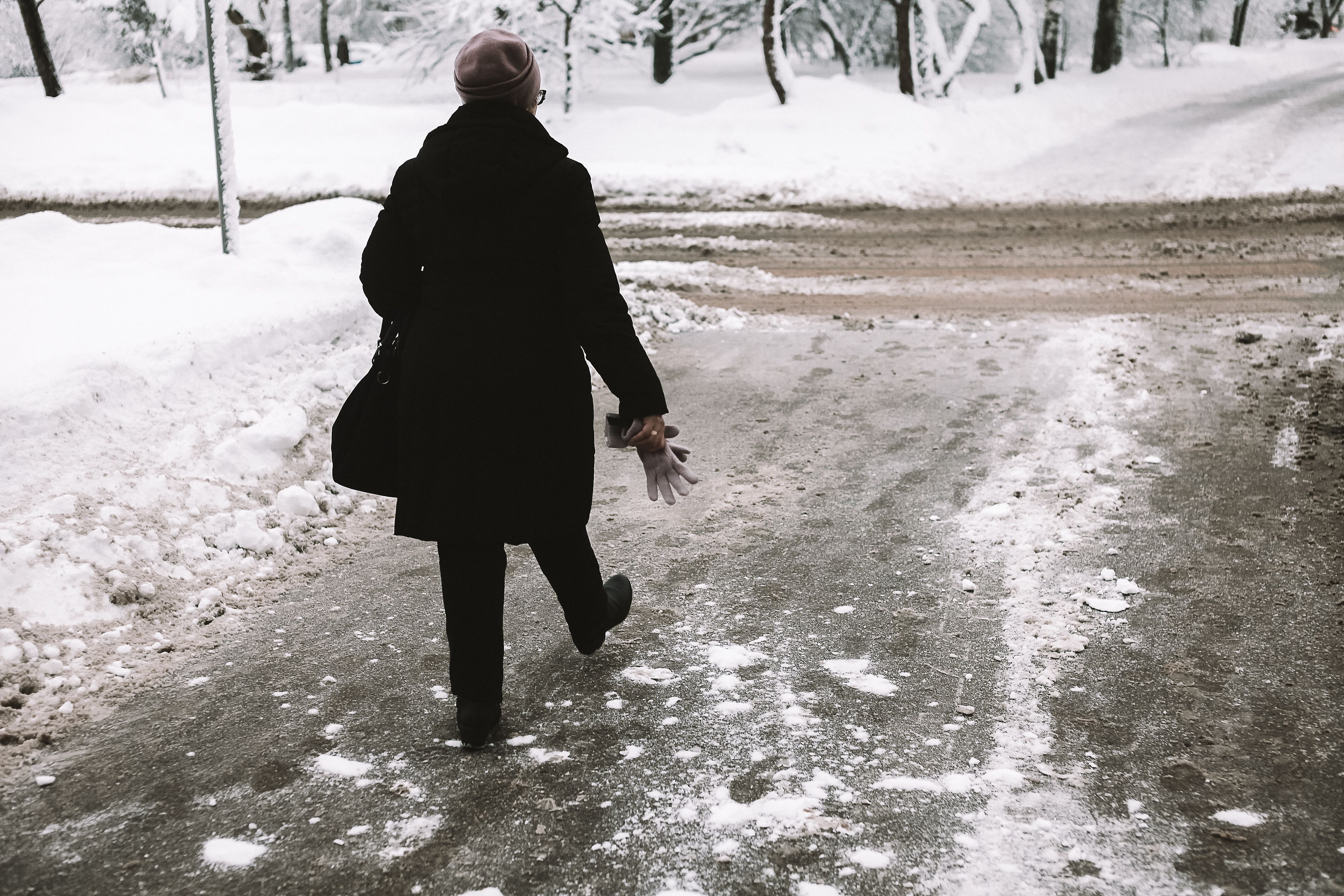
Walking and cycling during the Swedish winter can be challenging and slippery roads and paths can lead to crashes and injuries. Sweep-salting is increasingly used on pedestrian and bicycle routes to improve winter conditions, but we still need better knowledge about its actual effect on traffic safety.
A new SAFER partner project will investigate whether sweep-salting can reduce slip-related crashes among cyclists and pedestrians. Using crash data from several Swedish municipalities, the researchers will compare sweep-salted routes with similar routes where this winter maintenance method is not used. The project will also look at broader crash trends to better understand how improved winter conditions may affect walking and cycling.
The aim is to provide better evidence on what works. If we know more about how different winter maintenance strategies affect crash risk, municipalities and road authorities can make more informed decisions about where and how to use their resources.
The potential traffic safety benefit is important: fewer slip-related crashes and injuries, safer infrastructure and better conditions for people who choose to walk or cycle throughout the year.
The project, Effects of sweep-salting on cyclist and pedestrian crash risk, runs from August 2026 to June 2027. It is funded by Skyltfonden and led by Strandroth Inc.